Air Conditioning and Heating Certification: Things to Know
Choosing the right training path is one of the most important decisions you can make when entering or advancing in the HVAC industry. Whether you are a recent graduate, a career changer, or a working technician, earning an air conditioning and heating certification in Chicago, IL, can open doors to stable employment, higher wages, and long-term career growth. With Chicago’s diverse climate and strict building standards, employers value technicians who complete reputable programs and hold recognized credentials. Understanding how to evaluate programs will help you invest your time and money wisely while positioning yourself for success in the field.
Understand Your Career Goals First
Before comparing schools, it’s important to clarify what you want from your HVAC career. Some students aim to become entry-level residential technicians, while others want to specialize in commercial systems, refrigeration, or energy-efficient technologies. If your goal is rapid entry into the workforce, a focused HVAC certification in Chicago, IL, may be ideal. If you plan to advance into supervisory roles or system design, you may want a more comprehensive program that includes advanced diagnostics and codes.
Accreditation and Industry Recognition Matter
Accreditation should be one of the first factors you evaluate. Accredited programs meet established educational standards and are more likely to be recognized by employers and licensing bodies. Look for schools accredited by respected organizations or aligned with national HVAC industry standards. Completing an accredited HVAC certification in Chicago, IL, ensures your training reflects current safety regulations, environmental guidelines, and best practices that employers expect.
Review the Curriculum Carefully
A strong curriculum balances theory with practical application. Core topics should include heating systems, air conditioning, electrical fundamentals, refrigeration cycles, ventilation, system controls, and local building codes. Programs offering air conditioning and heating certification in Chicago, IL, should also address regional climate demands, such as cold-weather heating performance and energy efficiency standards common in Illinois. A well-rounded curriculum prepares you to troubleshoot real-world issues rather than just pass exams.
The Importance of Hands-On Training
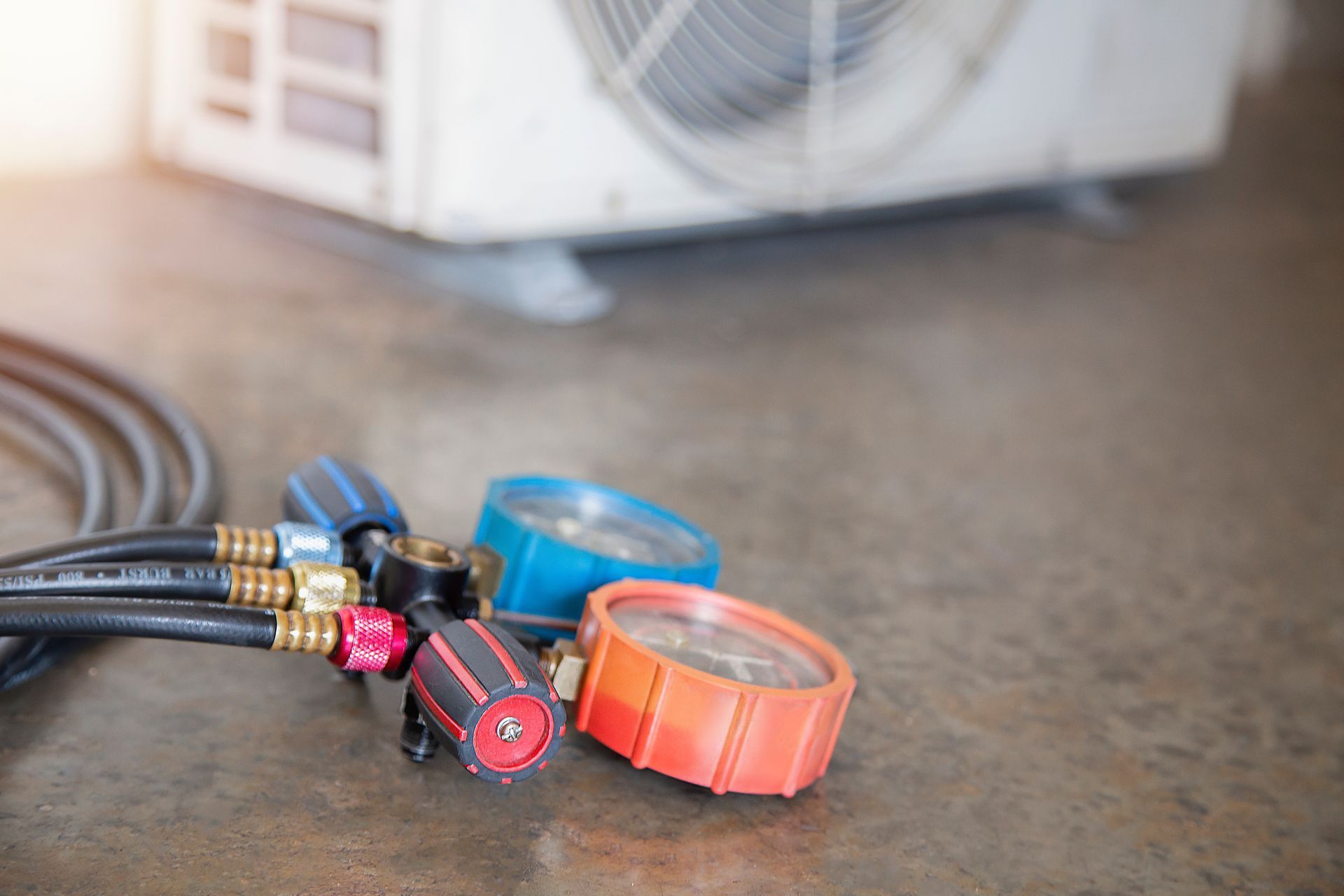
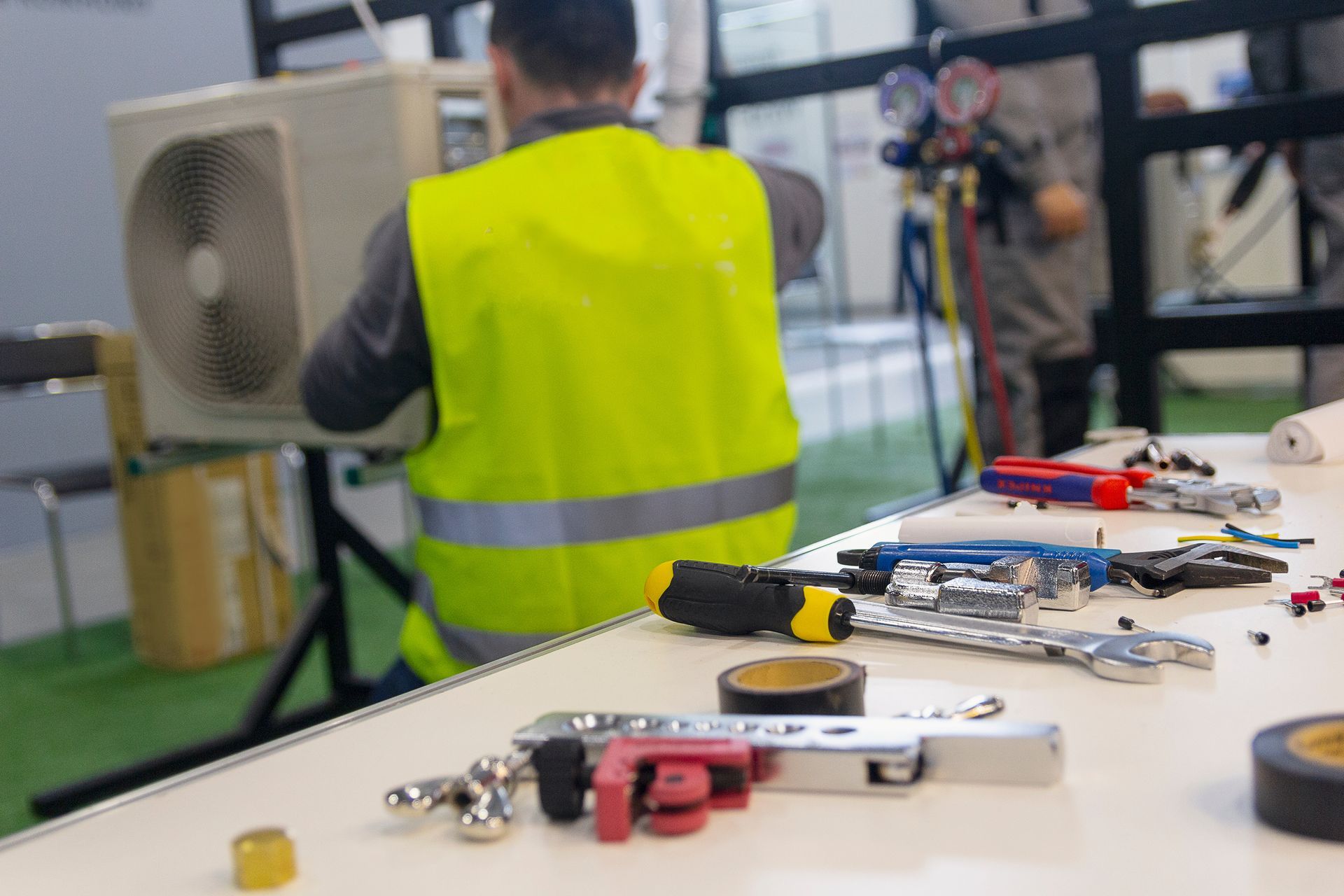
HVAC is a hands-on trade, and classroom learning alone is not enough. Quality programs emphasize lab work, equipment simulations, and real-system diagnostics. When evaluating air conditioning and heating certification in Chicago, IL, ask how much time is spent working directly with furnaces, air conditioners, heat pumps, and control systems. Hands-on experience builds confidence, improves safety awareness, and helps students transition smoothly into apprenticeships or entry-level jobs.
Costs, Financial Aid, and Return on Investment
Cost is a practical concern for most students. Compare tuition, fees, tools, and exam costs across programs. More expensive programs are not always better, but extremely low-cost options may lack depth or hands-on components. Many schools offering HVAC certification in Chicago, IL, provide financial aid, payment plans, or employer partnerships. Consider the return on investment by looking at job placement rates, average starting wages, and long-term earning potential.
Online vs. In-Person HVAC Certification Programs
Today’s students can choose between online, in-person, or hybrid formats. Online programs offer flexibility for working adults and career changers, but HVAC training still requires physical practice. In-person programs provide direct access to instructors and equipment, which many employers prefer. Hybrid options combine online theory with on-campus labs, making them a popular choice for those pursuing HVAC certification in Chicago, IL, while balancing work or family responsibilities.
Preparing for and Passing HVAC Certification Exams
Certification exams can be challenging, but proper preparation makes a big difference. Successful programs integrate exam preparation into their curriculum, covering test formats, practice questions, and safety standards. Students pursuing air conditioning and heating certification in Chicago, IL, should also focus on math fundamentals, electrical concepts, and troubleshooting logic. Consistent study habits, hands-on repetition, and instructor feedback are key to passing exams on the first attempt.
Value for Employers and Training Coordinators
From an employer’s perspective, certified technicians reduce training time and improve job-site safety. Companies advising employees on HVAC certification in Chicago, IL, often look for programs with strong reputations, up-to-date equipment, and graduates who demonstrate professionalism. For training coordinators, choosing the right certification program supports workforce development and ensures compliance with industry and local regulations.
Making the Final Decision
When choosing a program, visit campuses if possible, speak with instructors, and ask about graduate outcomes. Read reviews, request curriculum outlines, and confirm accreditation status. The right program should align with your career goals, learning style, and budget while providing real-world skills. Investing in a quality education sets the foundation for long-term success in a competitive and essential trade.
Start Your HVAC Career in Chicago Today
If you are ready to take the next step toward a stable and rewarding career, HVAC Technical Institute is here to help. Our programs are designed to prepare students for air conditioning and heating certification in Chicago, IL, through industry-focused curriculum and hands-on training. Contact us today at (773) 927-9562 today to learn how HVAC Technical Institute can help you build a strong future in Chicago’s growing HVAC industry.